
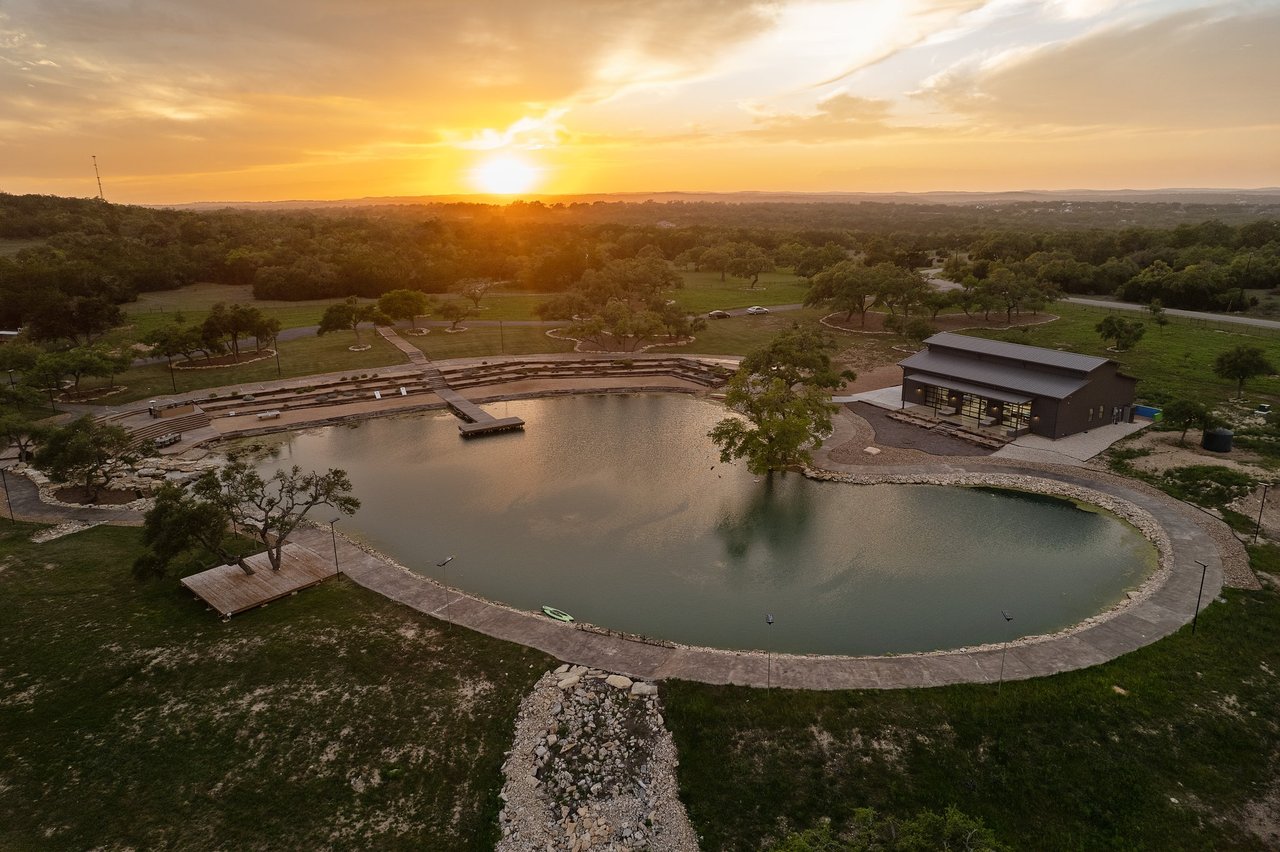
Monica Fabbio | The FAB Property Group | Austin Ranch and Land Specialist | Texas Farm & Ranch Real Estate April 24, 2026
If you're searching for a trusted Austin realtor with deep expertise beyond the city limits, you've found her. As a top real estate agent in Austin and a recognized Austin ranch and land specialist, Monica Fabbio works with buyers who want more than a neighborhood — they want acreage, legacy, and land. Whether you're looking at Texas ranch properties for sale, exploring land for sale in Austin TX, or ready to invest in Texas Hill Country ranch real estate, this guide covers what every first-time rural buyer needs to know before they write a single offer. As an experienced real estate agent in Austin TX who operates across the Greater Austin area and far beyond, Monica has guided buyers through some of the most complex farm and ranch transactions in the state. What follows is what she tells every client at the very first conversation.
Farm and ranch real estate in Texas refers to rural, agricultural, or recreational land — typically 10 acres or more — used for livestock operations, row crops, hunting leases, horse properties, timberland, or raw investment acreage. Texas leads the nation with over 130 million acres of privately held agricultural land, making it the largest and most diverse rural real estate market in the United States.
Unlike a downtown Austin condo or a suburban home in Southwest Austin, rural land transactions involve a completely different set of rules, risks, and rewards. There's no uniform pricing model, no standard appraisal process, and no one-size-fits-all contract. The stakes are high — and so is the reward when you get it right.
A residential transaction in Central Austin and a farm and ranch transaction in the Hill Country share almost nothing in common beyond the basic concept of a deed transfer. When you buy rural land in Texas, you are evaluating:
A rural land specialist handles all of this. A residential agent typically does not.
Absolutely. If you're buying acreage for sale near Austin TX or anywhere across the Hill Country or beyond, you need an agent who has deep knowledge of agricultural law, water rights, and rural due diligence — not just CMA reports and open houses. Look for agents who hold the Accredited Land Consultant (ALC) designation or are active members of the Texas Alliance of Land Brokers (TALB).
Monica Fabbio works at the intersection of Austin's premier residential market and Texas's expansive rural land landscape — giving buyers a rare, full-spectrum advantage.
An ag exemption — more precisely, an agricultural appraisal — means your land is taxed based on its productive value for agricultural use, not its market value. The difference is enormous. A 50-acre Hill Country property worth $2 million on the open market might be appraised at $40,000–$80,000 for tax purposes under an ag exemption, reducing your annual tax bill by tens of thousands of dollars.
What first-time buyers don't know: If you purchase a property with an existing ag exemption and then change the land use — or fail to maintain qualifying agricultural activity — you will trigger rollback taxes. Texas currently assesses rollback taxes going back three years (reduced from five in 2020), plus interest. This can mean an unexpected five-figure bill at the worst possible time.
Always confirm:
Yes — and this is one of the most powerful tools available to Texas landowners. If a property already carries an agricultural exemption, the owner may be eligible to convert it to a wildlife management exemption, maintaining the favorable tax appraisal while managing the land for native wildlife species rather than traditional agricultural production.
Qualifying practices include habitat control, erosion management, predator control, providing supplemental water or food, census operations, and conducting wildlife research. This is ideal for buyers who want a hunting or conservation property without maintaining a livestock operation. It requires compliance with Texas Parks & Wildlife Department guidelines and annual documentation.
Water is the most valuable — and most legally complex — resource on any Texas property. There are two entirely separate legal frameworks governing water in Texas:
Groundwater (wells, aquifers): Texas follows the "Rule of Capture," meaning landowners have the right to pump groundwater from beneath their property. However, this right is regulated locally by Groundwater Conservation Districts (GCDs), and rules vary significantly across the state. Some districts require permits; others cap well production.
Before buying, you must know:
Surface water (rivers, creeks, lakes): Surface water in Texas belongs to the state, not the landowner, and is governed by the prior appropriation doctrine. Simply owning land along a creek does not give you the right to divert or impound that water without a state permit.
Failing to thoroughly investigate both groundwater and surface water is the single most common — and most expensive — mistake first-time rural buyers make.
Not automatically. In Texas, mineral rights (oil, gas, coal, uranium, sulfur, and more) can be — and very frequently are — severed from the surface estate. This means a previous owner may have sold or retained the minerals decades ago, and you could purchase a beautiful Hill Country ranch with zero ownership of what lies beneath it.
A severed mineral estate means:
Always request a mineral rights title search before closing. If minerals are intact, that adds significant value and negotiating leverage. If they're severed, understand exactly what that means for your use and enjoyment of the property.
Many rural parcels in Texas are landlocked — meaning they have no direct frontage on a public road and can only be accessed by crossing a neighboring property. Before purchasing any rural land, verify:
A historically used road is not the same as a legally protected easement. Do not assume access — confirm it through a title search and survey.
Traditional mortgage lenders do not typically finance raw or agricultural land. First-time rural buyers in Texas most commonly use:
Expect to provide a 20–35% down payment. Lenders will require a current survey, rural appraisal, and often an environmental review. Financing timelines are longer than residential — plan for 45–90 days to close.
Beyond the scenic views, a disciplined site visit for rural land should include:
Yes — and these deserve special attention.
Deed restrictions are recorded limitations on land use that run with the property and bind every future owner. They may prohibit subdivision, commercial activity, hunting, or certain structures. They are not always obvious and must be identified during a title search.
Conservation easements are permanent legal agreements between a landowner and a land trust or government entity that restrict development in exchange for tax benefits (often a substantial charitable deduction) that the previous owner received. Conservation easements are perpetual — they survive every subsequent sale. Buying a property with a conservation easement means inheriting all of its restrictions, which can significantly limit what you can build, develop, or change on the land.
These must be discovered before closing — not after.
Texas offers landowners a uniquely favorable ownership environment:
Buying rural land in Texas is one of the most meaningful investments you can make — financially, personally, and generationally. It demands a guide who understands both the urban Austin market and the open landscapes that begin just beyond the city limits.
Monica Fabbio is that guide. As a top realtor in Austin and a dedicated Austin ranch and land specialist, she brings the expertise, relationships, and due diligence process to help first-time rural buyers purchase with confidence — and without costly surprises.
Monica Fabbio Top Real Estate Agent in Austin | Austin Ranch and Land Specialist Texas Farm & Ranch | Luxury | Waterfront | High-Rise | Greater Austin Area
This article is for informational purposes only and does not constitute legal, tax, or financial advice. Always consult a licensed Texas real estate attorney, CPA, and accredited land consultant before completing a rural land transaction.

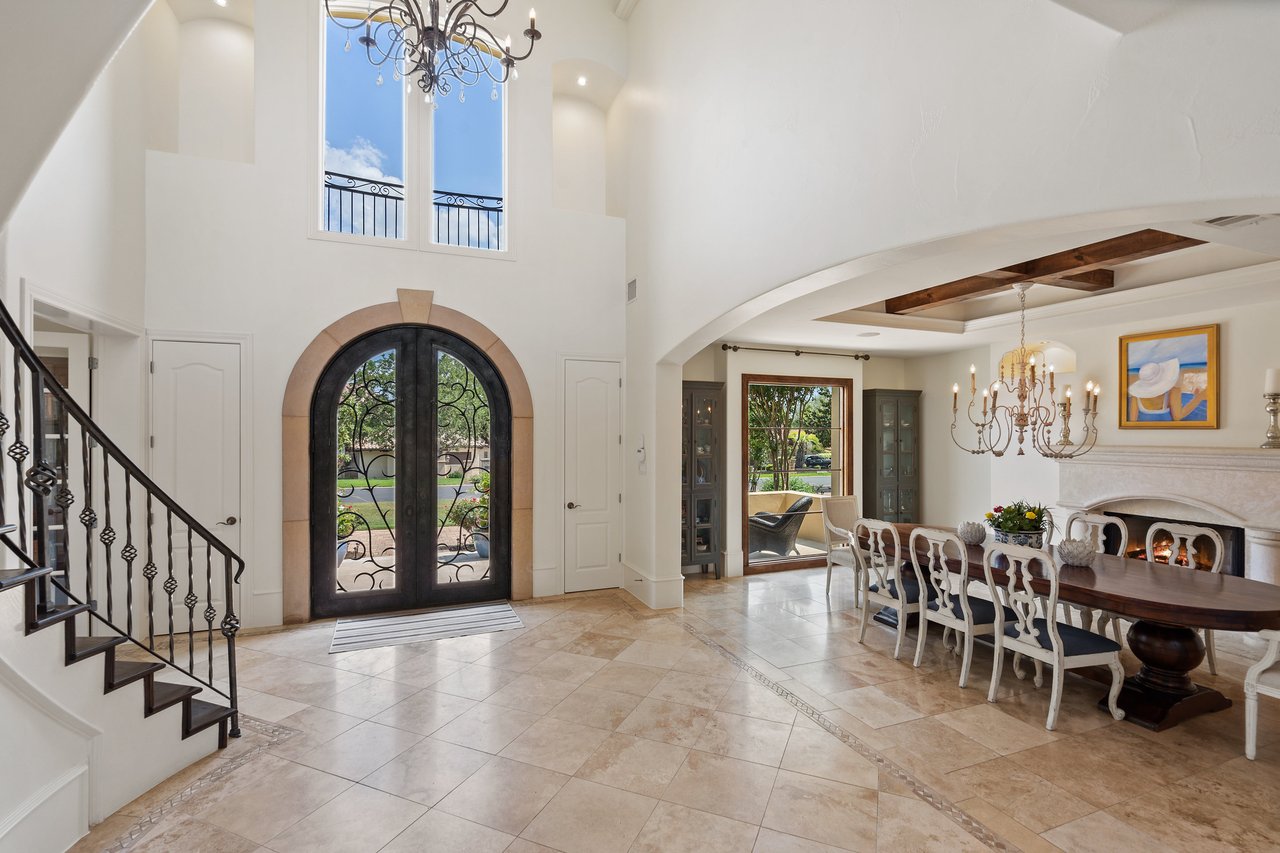


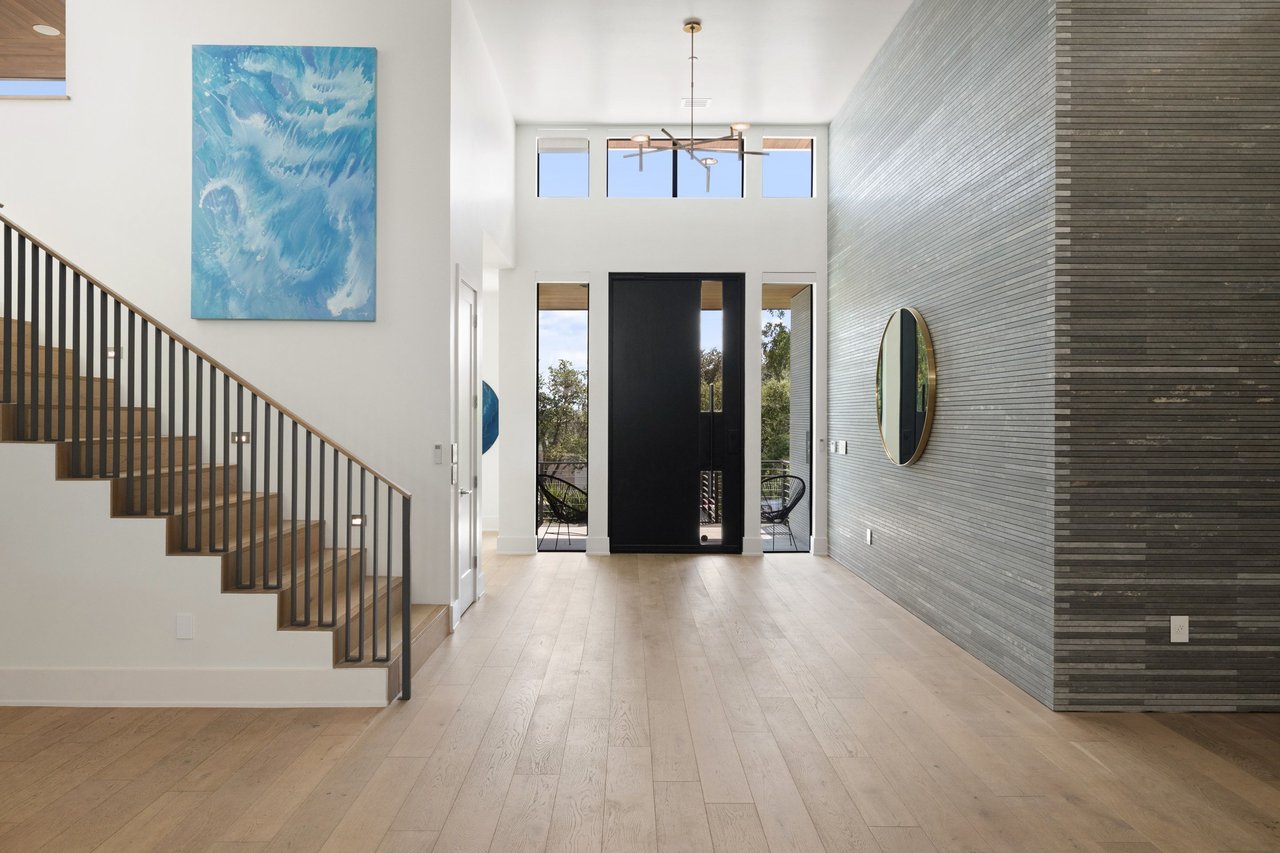
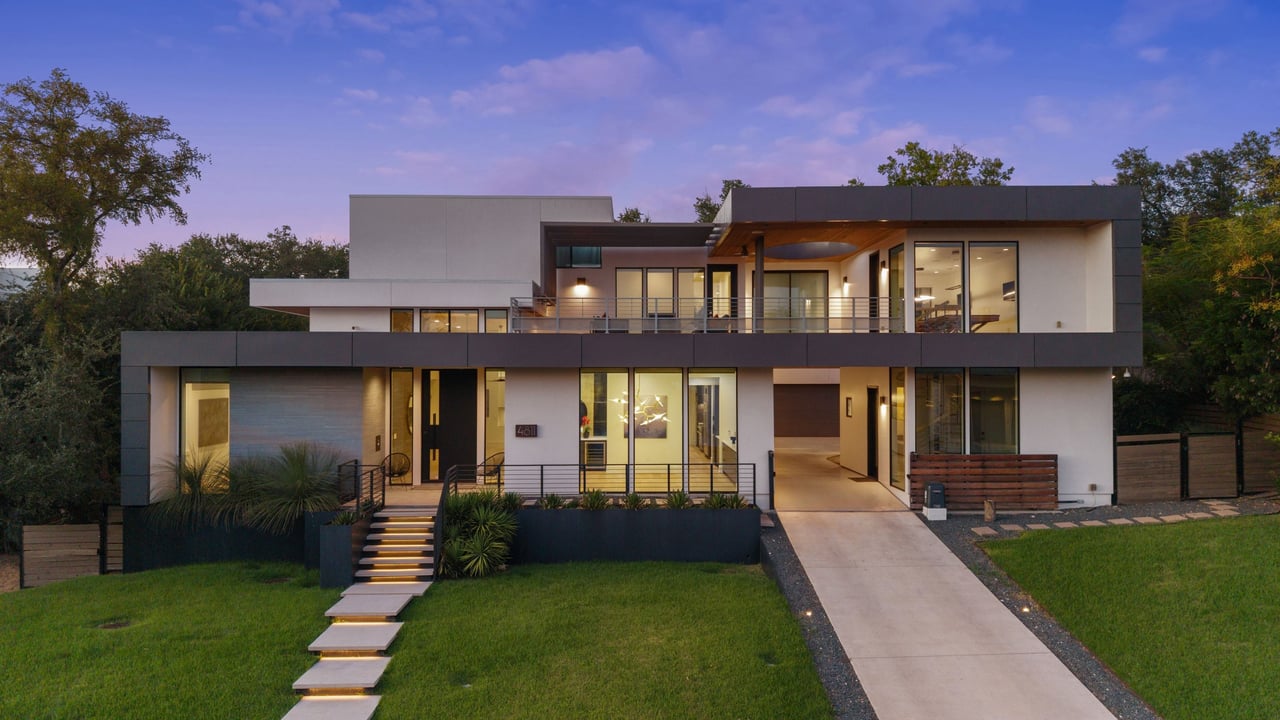


Monica distinguishes herself as an exceptional professional in the real estate industry, consistently exceeding all expectations by delivering unparalleled service. Leveraging her extensive market expertise, Monica excels in optimizing property market values when entrusted to list or search for a property. Whether you're interested in buying or selling, Monica collaborates closely with clients to pinpoint their ideal properties, secure the most advantageous deals, and consistently provide a truly FABulous real estate experience.

THE FAB PROPERTY GROUP
6836 Bee Caves Rd, Building 1 Suite 201, Austin, TX 78746 Office is Independently Owned and Operated