
Monica Fabbio October 1, 2026
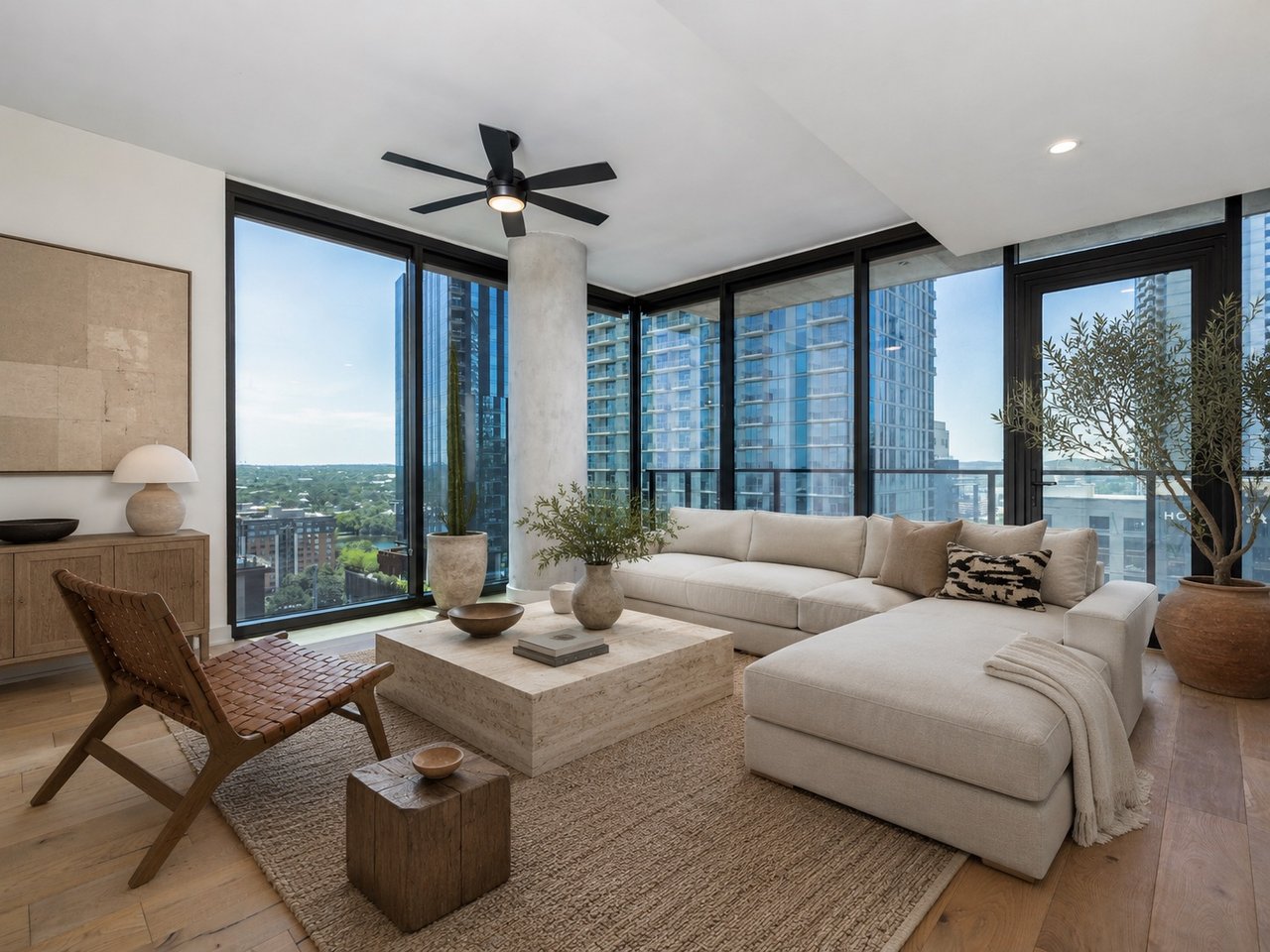
Most conversations about Downtown Austin luxury condos start with the skyline: the newest tower, the highest floor, the best view of Lady Bird Lake. The ownership side gets far less attention, and it often matters more to your finances. As a Downtown Austin condo agent, Austin luxury condo realtor, and local Austin real estate expert, I spend as much time walking clients through HOA documents as I do touring penthouses.
Experienced buyers of Austin high-rise condos for sale know that the purchase price is only part of the cost. HOA fees, reserve funds, special assessments, and rental restrictions shape what you pay, what you can do with your unit, and how easily you can sell later. Whether you are comparing Downtown Austin luxury condos or preparing to sell, here is what to understand before you sign anything.
Quick answers
What are HOA fees on a Downtown Austin luxury condo? They are monthly dues that fund the building's shared expenses. In luxury high-rises these are typically higher than in other property types because of staffing, amenities, and insurance.
What do they usually include? Common inclusions are building insurance, common-area maintenance, front desk or concierge service, amenities, and often some utilities. Inclusions vary by building.
Can owners rent their condos? It depends on the building's declaration and rules, and for short-term rentals, on City of Austin regulations as well.
What is a special assessment? A one-time charge to owners, beyond regular dues, to cover a major expense that reserves do not fully cover.
How Downtown Austin condo HOA fees work
HOA fees are set by the association's board and budget, and they are usually calculated by each unit's share of the building, often tied to square footage or a percentage interest in the declaration. A larger residence pays a larger share. Fees in luxury towers commonly run from several hundred dollars to well over a thousand dollars a month, and large penthouses can be higher. Ranges shift by building and over time, so always confirm current numbers in the building's financial documents rather than relying on a listing.
Higher fees are not automatically a bad sign. A building that funds its reserves properly may charge more today and avoid surprises later. A low-fee building may be underfunding maintenance, which can lead to larger increases or special assessments down the road.
What HOA fees typically include
Every association is different, but Downtown luxury buildings commonly cover some combination of the following.
Master insurance on the building structure and common areas
Exterior and common-area maintenance
Elevators, lobbies, hallways, and garages
Front desk, concierge, or security staffing
Pool, fitness center, spa, club room, and other amenities
Landscaping and rooftop or terrace upkeep
Management company fees
Reserve fund contributions
Some or all utilities, such as water, trash, or internet, depending on the building
What is usually not included: your interior finishes, your unit's contents and personal property insurance (an HO-6 policy), electricity if separately metered, parking fees if charged separately, and property taxes. When comparing two buildings, compare what the fee covers, not just the dollar amount.
Reserves and why they matter
The reserve fund is money the association sets aside for future major repairs and replacements, such as roofing, elevators, façade work, mechanical systems, and glass. Strong reserves are one of the best indicators of a well-run building. Ask whether the association has a recent reserve study, what percentage of the recommended funding level is in place, and what large projects are expected in the next five to ten years.
Special assessments in Downtown Austin condos
A special assessment is a charge levied on owners, usually proportionally, when the association needs funds that the operating budget and reserves cannot cover. Common triggers include major building repairs, unexpected damage, insurance shortfalls, litigation, or deferred maintenance.
Before you buy, ask for the following.
Any special assessments currently approved or proposed
Board meeting minutes from the past year or two
The most recent budget and financial statements
The reserve study and current reserve balance
Any pending or threatened litigation involving the association
Plans for major capital projects
Special assessments can also affect financing. Lenders review association financials, and some limit loans in buildings with low reserves, high delinquency rates, or active litigation. A building with unresolved issues can narrow your buyer pool when you sell, which is why I look at this for sellers and buyers alike.
The Texas resale certificate
In Texas, condominium sellers must provide a resale certificate and related association documents to the buyer, and the buyer typically has a window to review them. Texas Property Code Chapter 82 governs condominiums, and your contract terms matter here. These documents include the declaration, bylaws, rules, budget, and information on fees and assessments. Read them closely. This is where you find rental restrictions, pet rules, move-in fees, and assessment history. A knowledgeable agent and a real estate attorney can help you interpret anything unclear.
Rental rules for Downtown Austin luxury condos
Many buyers consider renting their condo, either as an investment or when they travel. The rules are set at two levels.
Building rules. The declaration and association rules may set a minimum lease term, cap the number of units that can be rented, require board approval of tenants, charge move-in or move-out fees, or prohibit rentals entirely. Some buildings allow short-term rentals, but many do not.
City rules. Short-term rentals in Austin are regulated by the City of Austin, including licensing requirements and local lodging taxes. Ordinances change, so confirm the current requirements with the city before you plan on short-term rental income. Even if the city allows it, your association can still prohibit it.
Rental restrictions also affect resale. Buildings with high owner-occupancy ratios are often easier to finance, because some loan programs have occupancy requirements. If you plan to buy as an investor, ask for the current owner-occupied versus rental breakdown.
Questions to ask before buying
What are the current monthly fees, and when did they last increase?
What exactly do they include?
Are there any special assessments, approved or anticipated?
How healthy are the reserves?
What are the rental rules, and are there caps or minimum lease terms?
Are there pending lawsuits or major capital projects?
Are there separate parking, storage, or amenity fees?
What is the owner-occupancy rate?
Selling a Downtown Austin condo
Sellers benefit from preparing their association documents early. Buyers of luxury high-rise units will ask about fees, reserves, and assessments right away, and having clear answers builds confidence and supports your price. If you are thinking, "I want to sell my condo in Austin TX," start with a pricing strategy that accounts for your building's fee level, reserve strength, and recent comparable sales. A Downtown Austin condo listing agent who knows the individual buildings can position those details as selling points instead of surprises. The same applies if you plan to list your high-rise condo in Austin TX or sell your penthouse in Austin TX: the HOA story is part of the marketing.
Frequently asked questions
Are HOA fees negotiable in Downtown Austin condos? No. Fees are set by the association's board and budget. What can be negotiable is the purchase price, closing costs, or other terms, particularly if fees are high or assessments are pending.
Why are luxury condo HOA fees higher than average? Staffing, amenities, insurance on a high-rise structure, and reserve funding all drive costs. Fees reflect the level of service and the size of the building's shared systems.
Can an HOA raise fees or levy special assessments? Yes, within the limits of the declaration, bylaws, and Texas law. This is why reviewing the budget and board minutes before you buy is important.
Do HOA fees include property taxes? No. Property taxes are billed separately for each unit.
Can I use my Downtown Austin condo as a short-term rental? Only if both your association and the City of Austin allow it. Check the declaration and current city regulations before buying.
How do I find the right agent for Downtown condos? Look for a Downtown Austin luxury condo specialist with direct building knowledge and a track record in high-rise sales.
Work with a Downtown Austin high-rise specialist
Ownership details are where condo deals are won or lost. As a high-rise real estate specialist in Austin, I help buyers read the financials behind the views and help sellers present their building's strengths clearly. If you are searching for the best high-rise condo agent in Austin TX, or a Downtown Austin listing agent who understands both the lifestyle and the paperwork, I would be glad to talk. I also work across Austin luxury homes, waterfront real estate on Lake Austin and Lake Travis, and Texas Hill Country ranch and land properties, so I can compare options across property types if you are weighing them.
This article is for general information and is not legal or financial advice. Association rules, fees, and city regulations change, so verify current details with the association, the City of Austin, and your attorney or advisor.
About the Author
Monica Fabbio is a Broker Associate based in Austin, TX, specializing in luxury, waterfront, hi-rise, and ranch/land properties. She is a member of Christie's International Masters Circle & The Council, a multi-year Elite 25 and Luxury League member, a Founding Member of REALM, and serves in the Sports & Entertainment Division as EVP of Philanthropy. She is ranked #2 Agent in Austin-Metro (Real Trends Verified), #7 Agent in Austin (Austin Business Journal), and #12 Agent in Texas (Real Trends Verified).
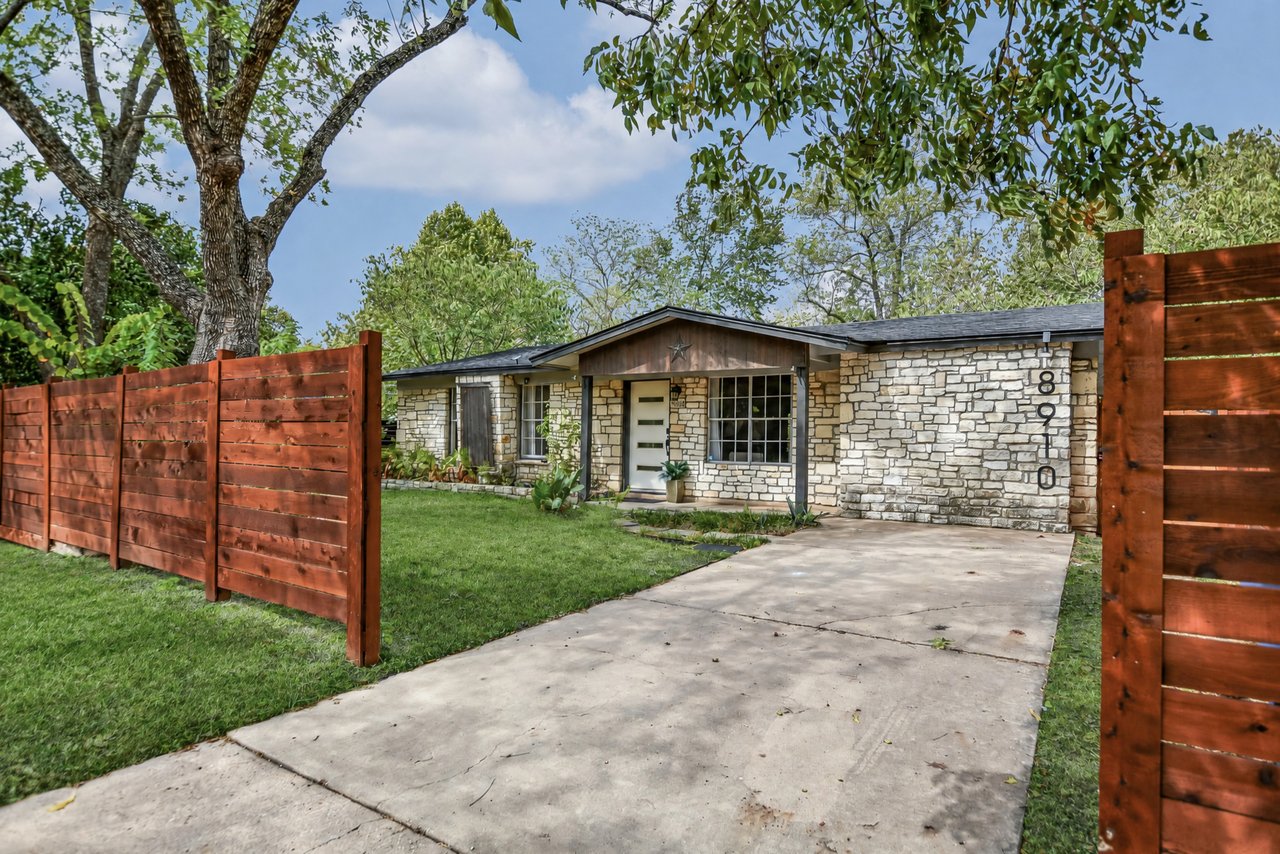

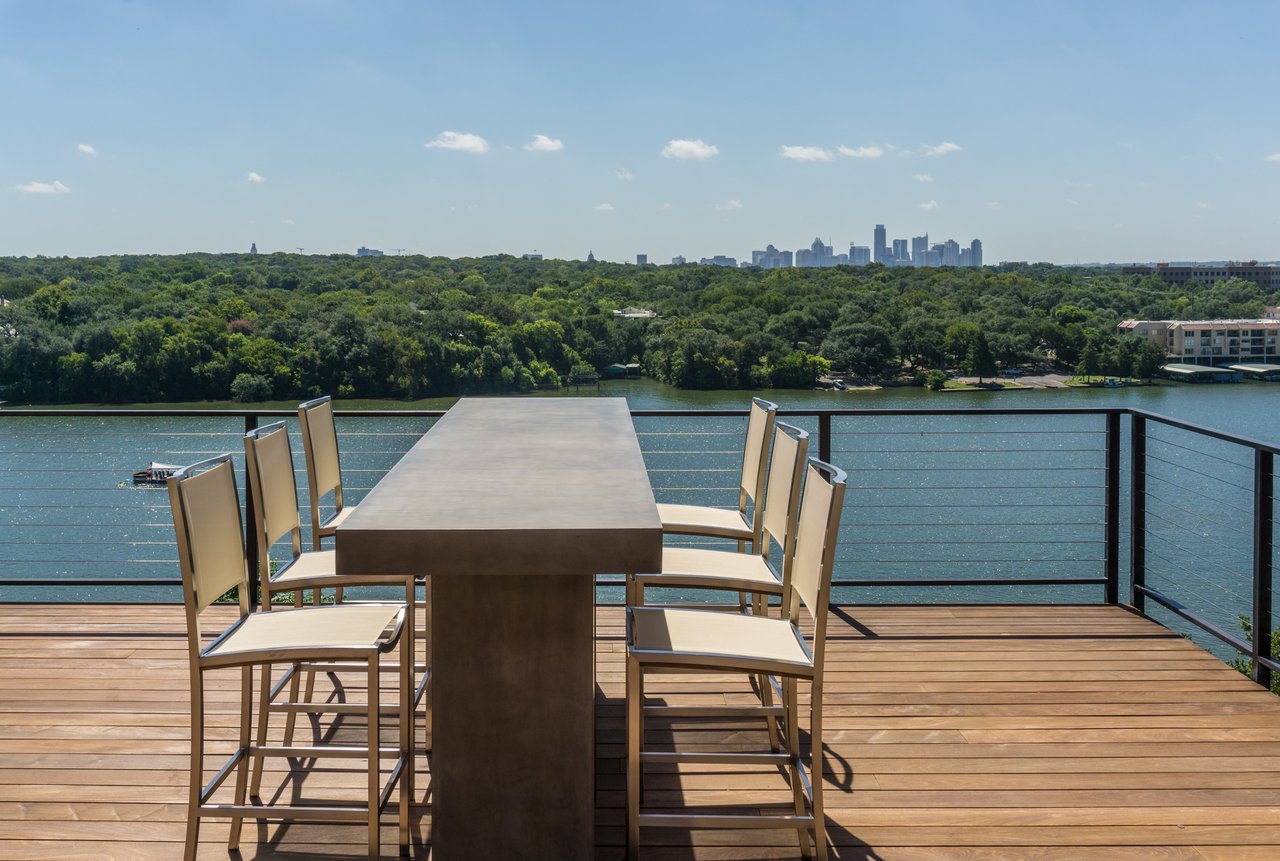


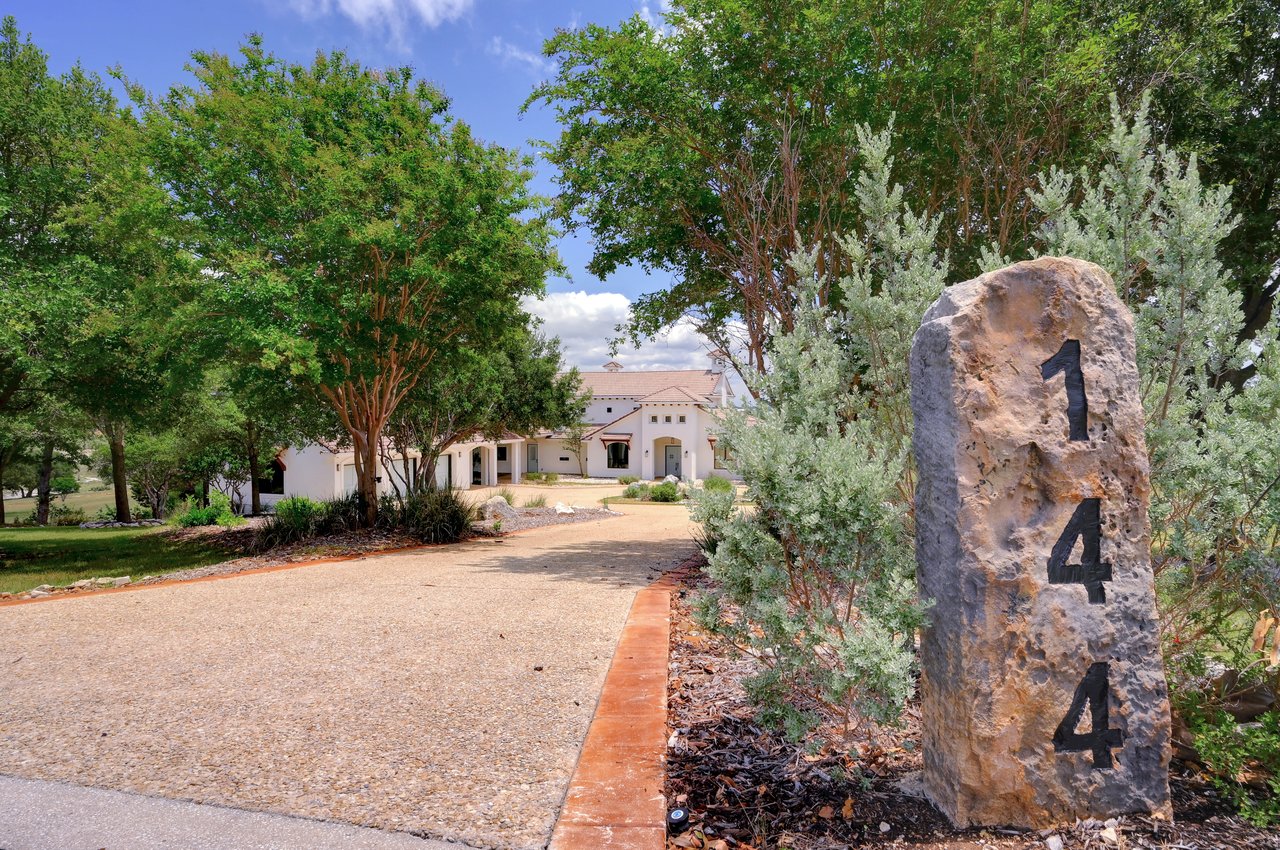

Monica distinguishes herself as an exceptional professional in the real estate industry, consistently exceeding all expectations by delivering unparalleled service. Leveraging her extensive market expertise, Monica excels in optimizing property market values when entrusted to list or search for a property. Whether you're interested in buying or selling, Monica collaborates closely with clients to pinpoint their ideal properties, secure the most advantageous deals, and consistently provide a truly FABulous real estate experience.

THE FAB PROPERTY GROUP
1105 N. Lamar Blvd Ste. 100 Austin, TX 78703 Office is Independently Owned and Operated