
Monica Fabbio January 23, 2026
By The FAB Property Group – Austin, Texas Real Estate Experts
The real estate landscape in 2026 continues to evolve as home buyers and investors weigh the benefits of urban living vs. suburban community life. With changing work patterns, lifestyle preferences, and economic influences shaping housing priorities, understanding the differences between urban trends and suburban trends has never been more important.
In this comprehensive guide, we’ll explore the latest urban vs. suburban real estate trends, compare lifestyle preferences, analyze housing demand drivers, and provide key insights for buyers and sellers navigating today’s property market — especially in high-growth areas like Austin, Texas real estate.
Urban centers remain magnets for young professionals, entrepreneurs, and anyone seeking:
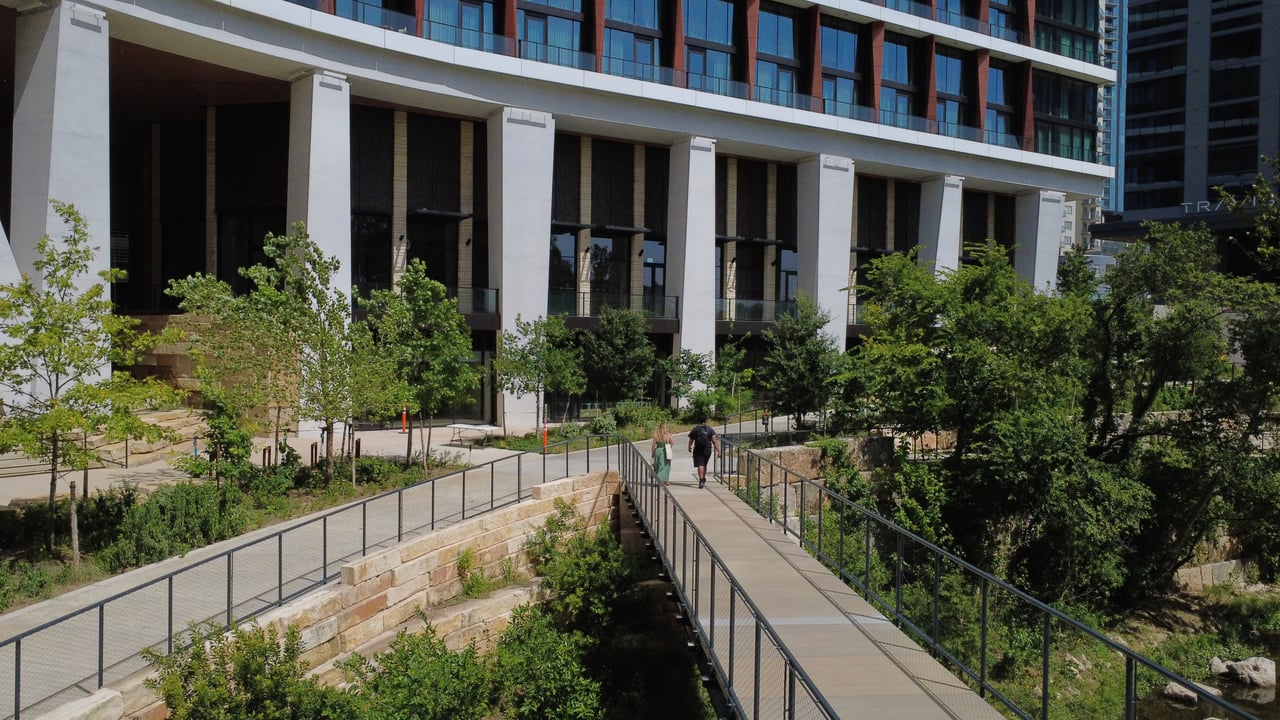
Walkability to work, dining, and cultural venues
Access to mass transit and public infrastructure
Proximity to entertainment, nightlife, and major employers
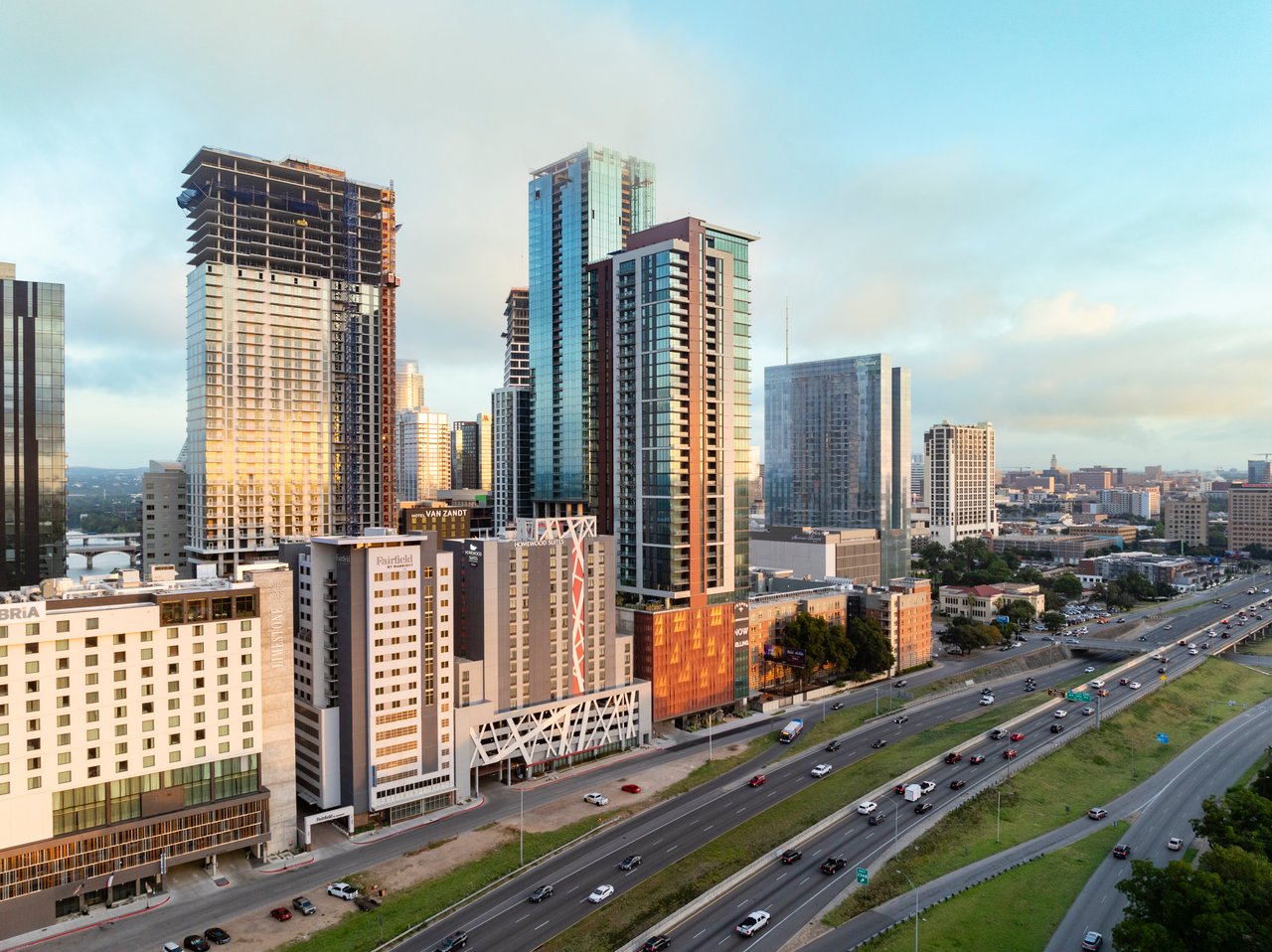
Cities like Austin, Dallas, Houston, and San Antonio are experiencing sustained interest in urban neighborhoods, with areas near downtown and tech corridors seeing increased buyer demand.
Mixed-use communities that combine residential, retail, and office space are dominating new urban real estate development. These developments support:
Live–work–play lifestyles
Reduced commute times
A vibrant community atmosphere
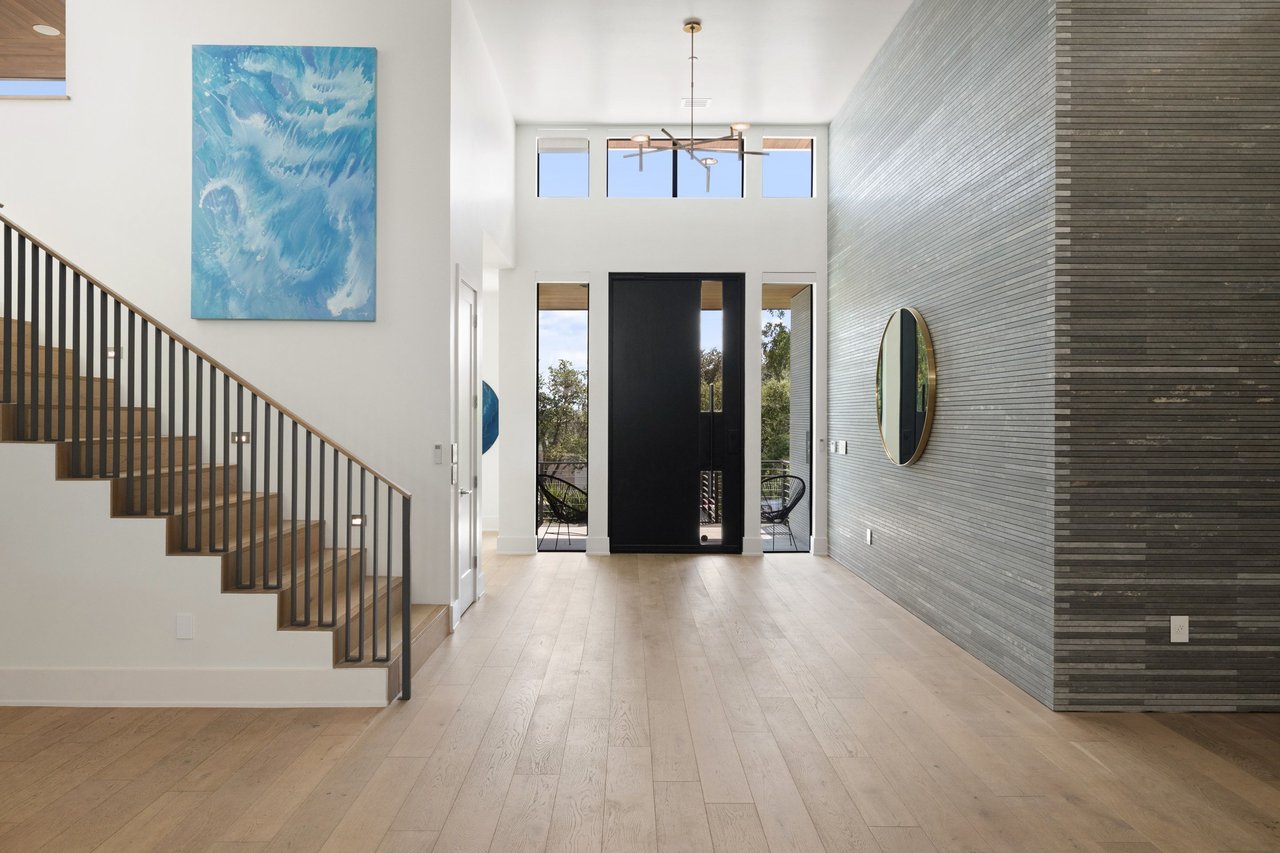
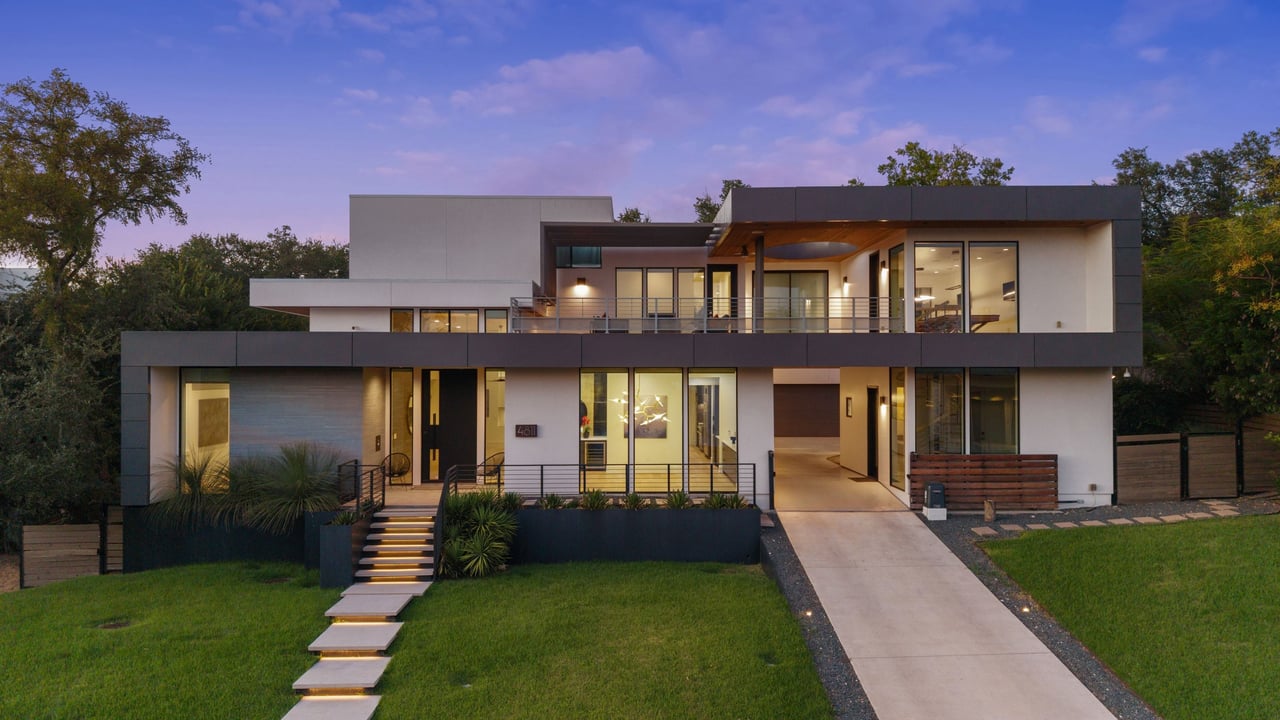
Urban professionals and Millennials continue to seek urban condos with amenities, fueling growth in developments with gyms, rooftop spaces, and shared work areas.
Urban trends in 2026 include sustainable design and health-forward building standards — such as LEED certification, green roofs, and community gardens. With eco-friendly living becoming a priority, urban sustainability trends are strengthening appeal for environmentally conscious buyers.
In contrast to dense city living, suburban communities offer:
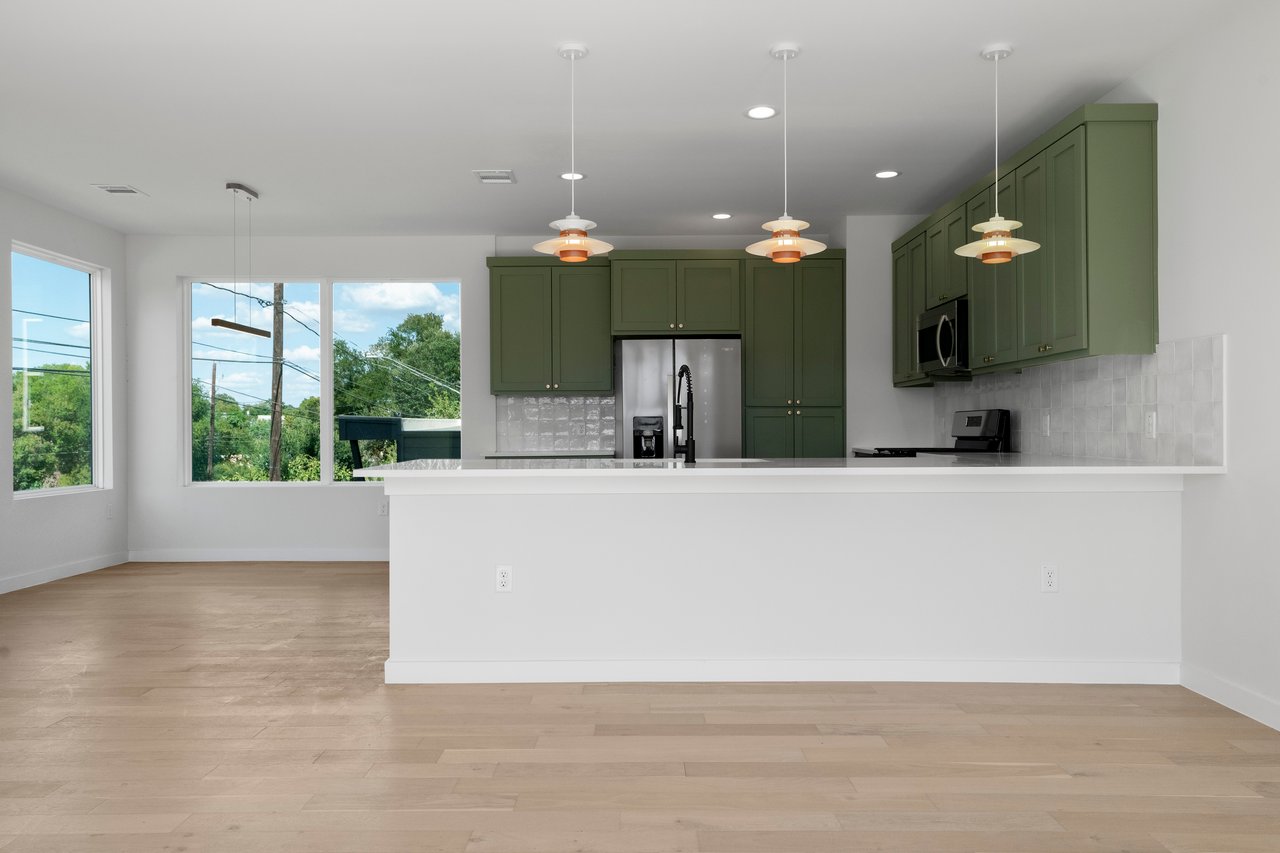
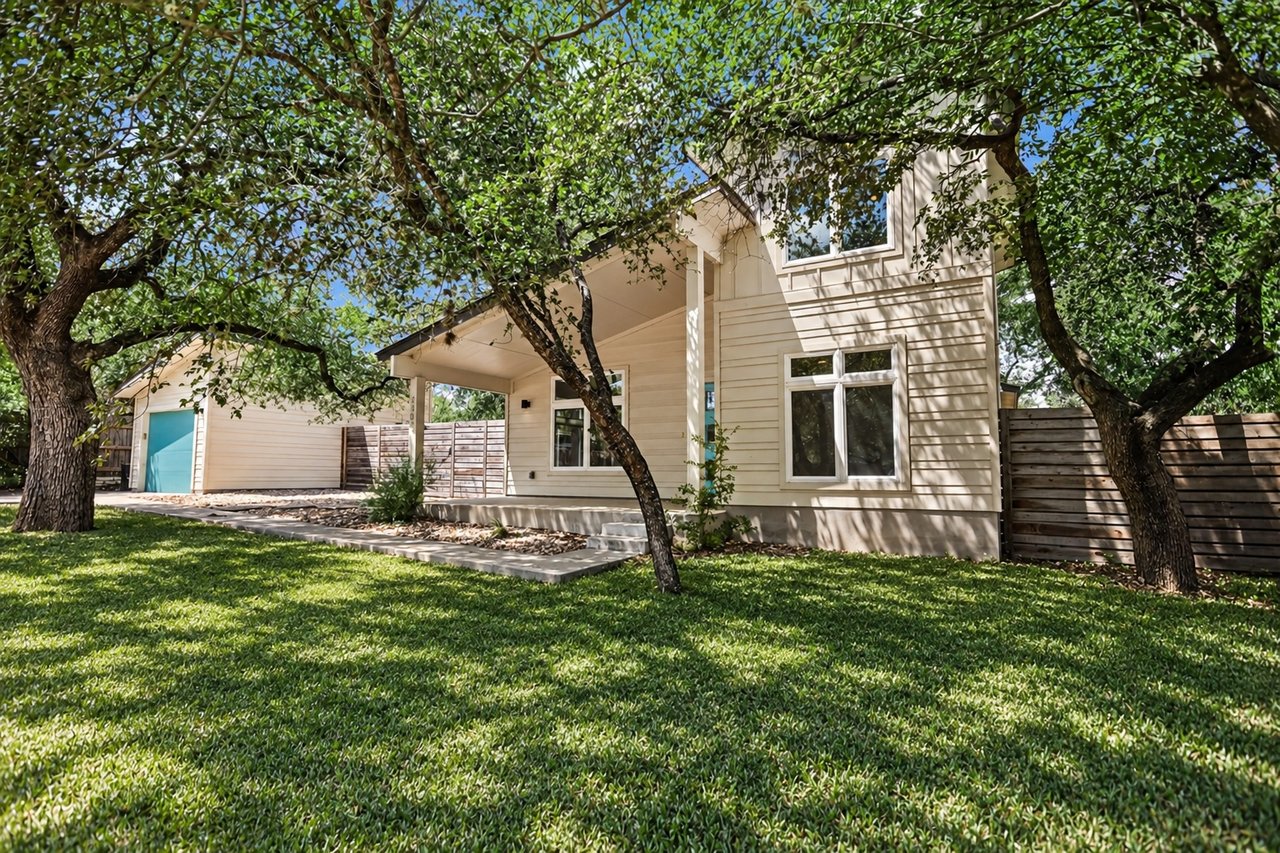
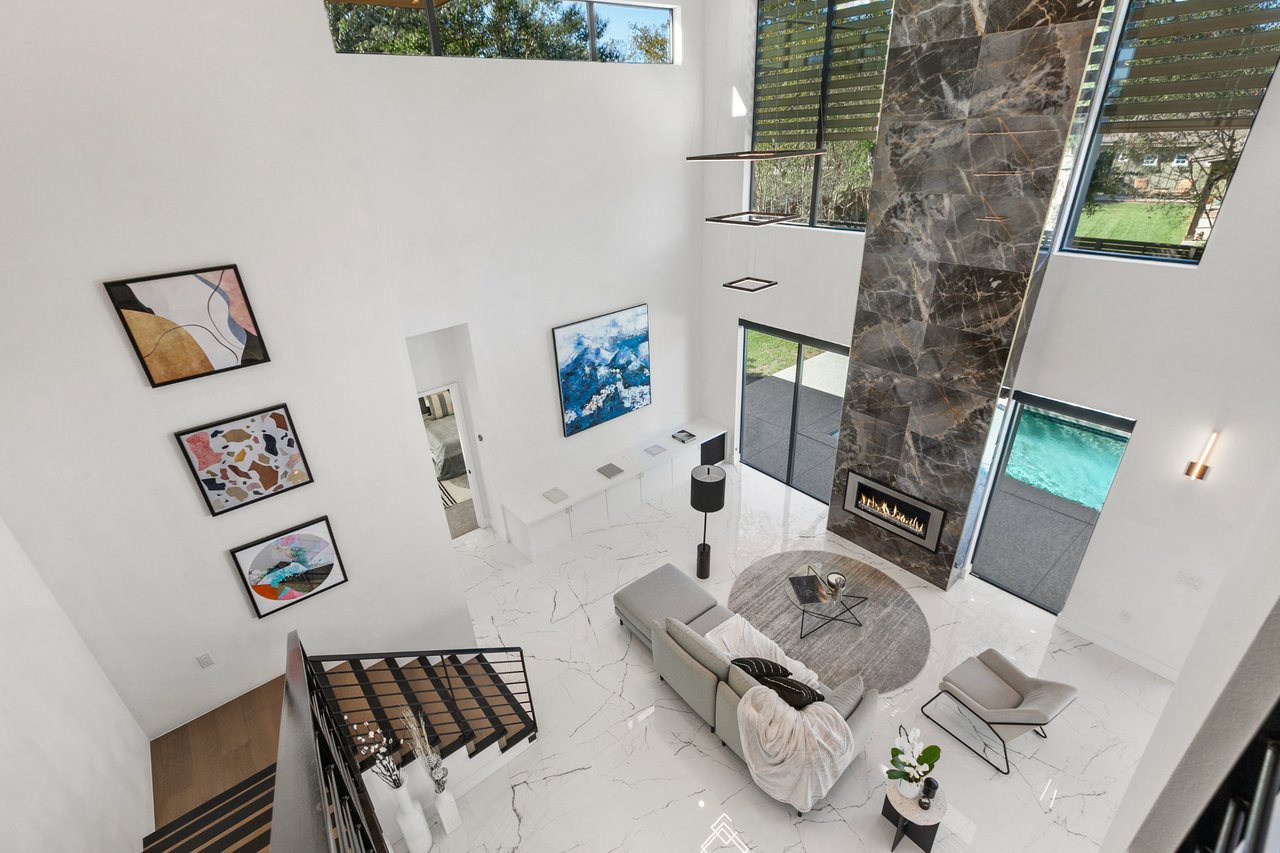
Larger homes and yards
More affordable housing per square foot
Strong neighborhood schools
Fast-growing suburbs around Austin, Texas — including Round Rock, Bee Cave, West Lake Hills, and Georgetown, continue to draw families and remote workers seeking space without straying too far from city amenities.
Modern suburbs are no longer the quiet bedroom communities of the past. They now boast:
Lifestyle centers with shopping and dining
Parks, trails, and outdoor recreation
Community events and local businesses
These features help suburbs appeal to buyers who want the best of both worlds — a peaceful environment with access to city-style perks.
Major infrastructure improvements — such as expanded highways, improved public transit links, and upgraded utilities — are making suburban living more convenient and connected. Buyers looking for commuter-friendly neighborhoods near Austin, TX are gravitating toward areas with quick access to major employment hubs.
| Trend Category | Urban Living | Suburban Living |
|---|---|---|
| Commute Times | Short or walkable | Often longer |
| Home Size & Price | Smaller, expensive | Larger |
| Community Style | High-density, bustling | Quiet, family-oriented |
| Amenities | Transit, culture, nightlife | Parks, family recreation |
| Work Flexibility | Close to co-working hubs | Quiet spaces ideal for remote work |
Urban neighborhoods are thriving — especially in cities with robust job markets — because they offer convenience and cultural vibrancy. Buyers who place high value on:
Proximity to restaurants, theaters, museums
Transit options and job centers
High-energy social environments
are choosing urban homes even as suburban markets expand.
Suburban markets are booming for reasons that include:
Growing remote and hybrid workforces
Desire for green space and outdoor living
Higher inventory of single-family homes
Suburban neighborhoods also tend to offer safer environments with excellent public schools, which makes them especially attractive to families.
Urban buyers are predominantly:
Young professionals
Single residents or child-free couples
Investors seeking rental demand
Suburban buyers are often:
Growing families
Remote workers seeking space
Buyers prioritizing affordability
In many metros, urban real estate prices remain high due to limited inventory and strong demand. Meanwhile, suburban real estate has seen consistent price growth as buyers search for value and larger homes.
Urban cores are experiencing more vertical construction — condos and apartments — while suburbs are seeing horizontal expansion with new neighborhoods, master-planned communities, and townhome developments.
If you’re considering an investment property, urban markets offer:
Higher rental demand from professionals and students
Strong resale potential near transit and job centers
Luxury condos with premium amenities
Investors focusing on areas with employment hubs near downtown Austin or cities with expanding tech sectors can benefit from long-term demand.
Suburban real estate continues to attract investors for reasons like:
Rising demand for affordable single-family rentals
Increasing appeal of family-friendly communities
Stable long-term value appreciation
Suburban areas within commuting distance to major cities — such as North Austin suburbs — are particularly strong markets for rental properties and resale homes.
What lifestyle do you want?
Fast-paced and walkable? Urban.
Peaceful with room to grow? Suburban.
What’s your budget?
Cities often mean higher per-square-foot costs.
Suburbs often offer more space for less.
What’s your long-term plan?
Resale? Investment? Family? Different priorities lead to different decisions.
Work with an expert who understands both urban housing trends and suburban growth markets — especially in dynamic regions like Austin, Texas real estate — to find the right property that meets your lifestyle and financial goals.
As we move further into 2026, both urban and suburban real estate markets offer unique benefits shaped by lifestyle preferences, economic conditions, and evolving work patterns. Whether you’re drawn to urban condos near vibrant downtowns or suburban homes with space and community amenities, understanding the trends and demand drivers can help you make confident, informed decisions.
At The FAB Property Group, we specialize in guiding buyers, sellers, and investors through these trends — helping you find your ideal property in Austin, Texas and surrounding communities.
👉 Contact us today to learn more about the latest urban vs. suburban real estate opportunities and how to navigate the market with confidence!



Monica distinguishes herself as an exceptional professional in the real estate industry, consistently exceeding all expectations by delivering unparalleled service. Leveraging her extensive market expertise, Monica excels in optimizing property market values when entrusted to list or search for a property. Whether you're interested in buying or selling, Monica collaborates closely with clients to pinpoint their ideal properties, secure the most advantageous deals, and consistently provide a truly FABulous real estate experience.

THE FAB PROPERTY GROUP
6836 Bee Caves Rd, Building 1 Suite 201, Austin, TX 78746 Office is Independently Owned and Operated