
Monica Fabbio October 20, 2026
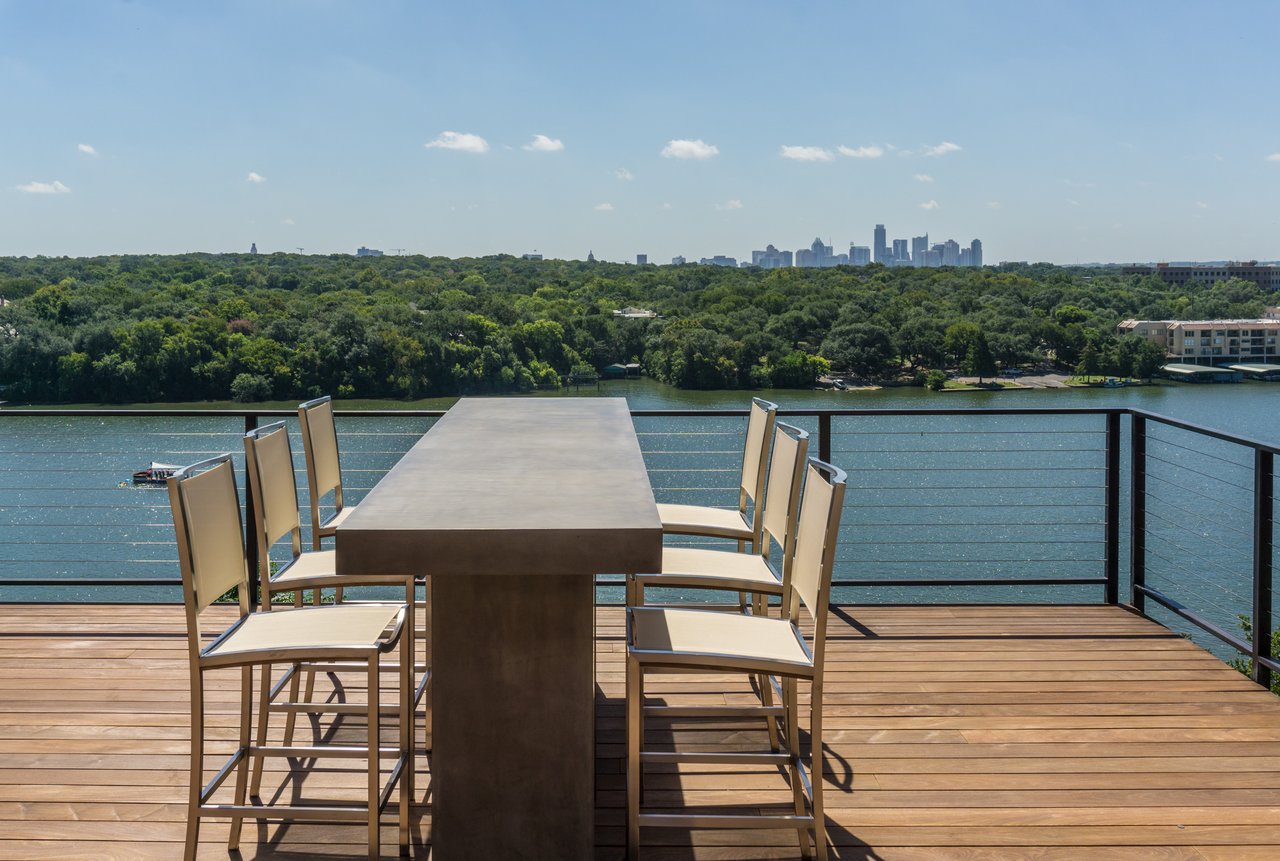
Central Texas winters are mild most years, but a single hard freeze can cause expensive damage to a lakefront property. As a trusted Austin realtor and Austin waterfront real estate agent, I have seen burst pipes, cracked pool equipment, and frozen dock plumbing turn a dream lake home into a costly repair project. Whether you own one of the Lake Austin waterfront properties along Tom Miller Dam’s stretch of the Colorado River or one of the Lake Travis waterfront homes for sale in the Hill Country, preparing before temperatures drop protects your investment and your resale value. As a luxury real estate agent in Austin and a waterfront property specialist, Austin owners often ask me what to do before winter arrives. This guide gives you a clear, room-by-room and dock-by-dock checklist.
Why Winterizing Matters in Austin
Austin averages only a handful of nights below freezing each year, which is why many homeowners skip winterization. But freezes do happen, and Winter Storm Uri in February 2021 showed how quickly extended cold can overwhelm homes and docks. Waterfront properties face extra exposure. Open lake frontage, north winds, and long runs of exterior plumbing to boat docks, irrigation intakes, and outdoor kitchens make lakefront homes more vulnerable than typical neighborhood houses.
How Lake Travis and Lake Austin Differ
Lake Travis is a flood-control reservoir managed by the Lower Colorado River Authority (LCRA), and its water level can change significantly depending on rainfall and drought. Docks on Lake Travis are often built to handle fluctuating levels, so winter is a good time to check lift cables, ramps, and walkways. Lake Austin is a constant-level lake, which means docks sit at a steady height most of the year, though LCRA may occasionally lower the lake for maintenance. Check LCRA announcements each fall so you know what to expect.
Winterizing the Home
Winterizing the Boat Dock
A well-maintained dock is a major selling point for any lakefront property, and buyers of luxury lakefront homes pay close attention to dock condition. Use this checklist each fall.
Insurance and Documentation
Review your homeowner’s and watercraft insurance policies each fall. Some policies have freeze-related requirements, and flood or dock coverage may be separate. Keep dated photos of your home, dock, boat, and equipment, along with maintenance receipts. This documentation can help with insurance claims and shows buyers that the property has been well cared for.
How Winterization Affects Resale Value
Maintenance history matters when you sell. If you plan to sell my waterfront home in Austin or list my lakefront home in Austin, buyers and inspectors will examine plumbing, the dock, the boat lift, and electrical systems closely. A property with documented winterization and dock service builds confidence and supports a stronger price. Whether you work with a Lake Austin listing agent or a Lake Travis listing agent, ask for a pre-listing walkthrough that covers dock condition, shoreline, and permits so there are no surprises during negotiations.
Frequently Asked Questions
When should I winterize my Lake Travis or Lake Austin home?
Plan to complete your checklist by early November, and review forecasts through March. Central Texas freezes usually occur between December and February, but they can arrive earlier or later.
At what temperature should I worry about frozen pipes in Austin?
Pipes become vulnerable when temperatures stay at or below 20 degrees, but longer stretches below 32 degrees can also cause problems for exposed or poorly insulated plumbing.
Do I need to winterize my boat dock in Texas?
Yes. Even in a mild climate, draining water lines, testing GFCI outlets, servicing the boat lift, and securing the boat protect against freeze damage and winter storms.
What is the difference between Lake Travis and Lake Austin for winter preparation?
Lake Travis levels can change widely, so dock hardware and access should be reviewed often. Lake Austin stays at a steady level, though occasional LCRA maintenance drawdowns can affect dock access.
Can winterizing help me sell my lakefront home?
Yes. Documented maintenance of plumbing, irrigation, pool equipment, and the dock reassures buyers and can reduce inspection concerns.
Final Thoughts
A few hours of preparation each fall can prevent thousands of dollars in repairs and keep your lake lifestyle running smoothly. If you are considering buying, selling, or simply learning more about your waterfront property, I would be happy to help. Reach out to schedule a consultation.
About the Author
Monica Fabbio is a Broker Associate based in Austin, TX, specializing in luxury, waterfront, hi-rise, and ranch/land properties. She is a member of Christie’s International Masters Circle & The Council, a multi-year Elite 25 and Luxury League member, a Founding Member of REALM, a member of the Christie’s Sports & Entertainment Division and Land & Ranch Division, and EVP of Philanthropy. She is ranked #2 Agent in Austin-Metro (Real Trends Verified), #7 Agent in Austin (Austin Business Journal), and #12 Agent in Texas (Real Trends Verified).






Monica distinguishes herself as an exceptional professional in the real estate industry, consistently exceeding all expectations by delivering unparalleled service. Leveraging her extensive market expertise, Monica excels in optimizing property market values when entrusted to list or search for a property. Whether you're interested in buying or selling, Monica collaborates closely with clients to pinpoint their ideal properties, secure the most advantageous deals, and consistently provide a truly FABulous real estate experience.

THE FAB PROPERTY GROUP
1105 N. Lamar Blvd Ste. 100 Austin, TX 78703 Office is Independently Owned and Operated